Popular river cruise routes
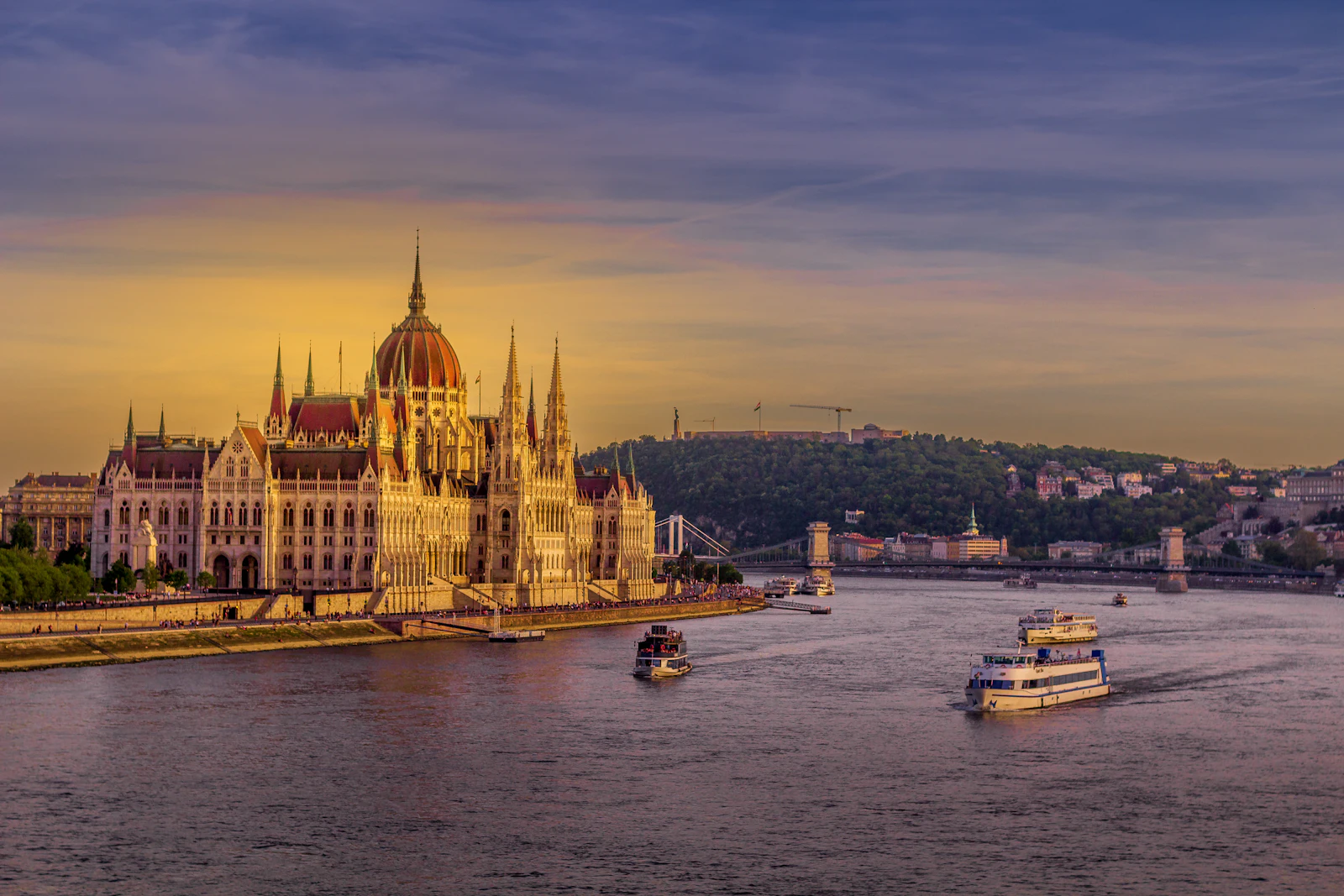
- Danube: through Germany, Austria, Slovakia and Hungary, often between Passau or Nuremberg and Budapest, with longer routes reaching the Black Sea. Highlights include Vienna, the Wachau Valley and Budapest.
- Rhine: from Amsterdam to Basel, past castles and vineyards in the Rhine Gorge, Cologne and Strasbourg.
- Douro: Portugal’s wine country, from Porto through terraced vineyards.
- Seine: Paris to Normandy, with Monet’s Giverny and the D-Day beaches.
- Nile: between Luxor and Aswan, past ancient Egyptian temples.
- Further afield: the Mekong in Southeast Asia and the Mississippi in the US.
How river cruises differ from ocean cruises
- Smaller ships: usually far fewer passengers than an ocean ship, with a more relaxed, social atmosphere.
- More time ashore: ships dock close to town centres, and many days include a guided walk.
- More included: many river cruise fares include some drinks with meals and a choice of excursions. Check exactly what’s covered.
- Fewer facilities: expect a lounge, restaurant and sun deck rather than theatres, waterslides and casinos.
- No seasickness: rivers are calm, which suits people who worry about rough seas.
When to take a river cruise
Europe’s river season usually runs from spring to autumn, with special Christmas market cruises in late November and December. Spring brings blossom and tulips (in the Netherlands and Belgium), summer is warmest and busiest, and autumn brings the wine harvest. Nile cruises are most popular in the cooler months, roughly October to April.
Water levels: very high or very low water can occasionally stop ships passing under bridges or through shallow stretches. Lines may then swap ships or replace part of the trip with coach transfers. Read the line’s policy before you book.
Last updated: 13 October 2026


